Batomon Showdown Combat, Status, and Positioning
One shared HP bar, many timers, and a 30-second sudden-death clock.
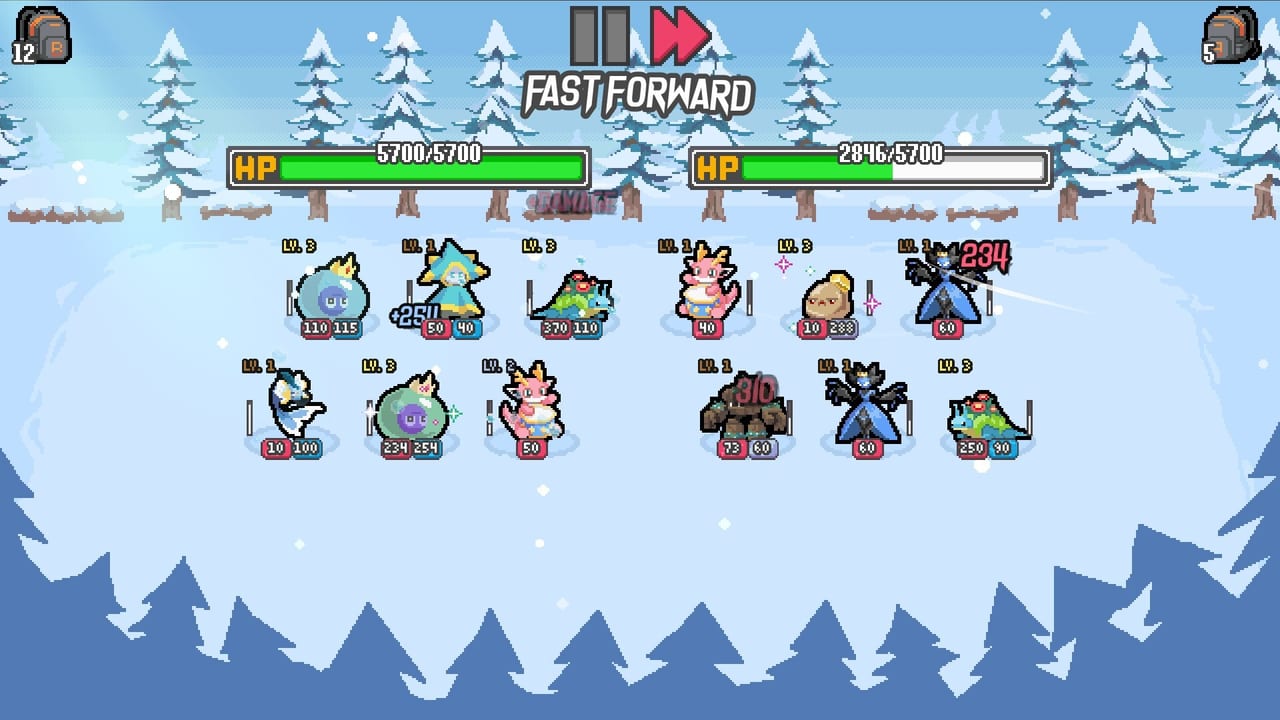
Combat in Batomon Showdown is a simulation you prepare, not a match you click. Both sides share one HP bar. Units still have individual knockout states, but the fight ends when a side’s shared bar hits zero. That single fact explains why a six-unit board with heals and shields can beat a three-unit glass cannon that “does more damage” on paper. This page covers timers, triggers, status, adjacency, and sudden death. Shop setup lives on shop and merging. Run planning lives on the 10-win guide.
Shared HP, knockout, protect
Each Batomon can be knocked out and stop casting. The side keeps fighting with whoever is left. Knockout triggers fire when a unit dies; some late patches made multicast finish before knockout on Pyronade, Electranade, and Stingarde so a dying caster still completes its extra hits. Protect and targeting rules can keep a slot alive longer than its neighbors. If your engine is “the unit in the back applies Ongoing extra times,” that back slot is the one you shield. Onsetra’s current text buffs the ally behind; put the Ongoing unit in front of Onsetra, not beside it, unless the card says adjacent.
Heal and Shield are not the same. Heal repairs shared HP. Shield absorbs incoming hits first. Status interacting with Shield has been patched several times: Poison no longer ignores Shield, and status damage against Shield is reduced (15 percent in the August 2026 notes, down from 25). Do not copy a May VOD that says Poison deletes shielded teams for free.
Cooldown, cooldown speed, multicast
Units with cooldown abilities fill a personal timer. Cooldown Speed shortens that timer. Formiqueen’s Ongoing gives adjacent Common allies bonus cooldown speed (25/50/75 percent after the Formiqueen nerf, down from 33/67/100). That is why a Formiqueen core wants Commons such as Bumblebolt touching her, not a row of unbuffed Legendaries. Onsetra then says the ally behind applies Ongoing extra times, which is how a queen-plus-dragon board starts looking unfair. Those two cards are the spine of the comp list.
Multicast repeats a cast. Shock loves multicast because each direct hit can proc a separate Shock hit equal to the current Shock stack. Battery Pack adds Shock to Electric units. Low cooldown plus multicast plus Shock is the Shock build. Poison and Burn scale with time and casts instead; Chemist adds Poison to Toxic units and grows that bonus whenever any monster levels up. Chef and Redhead grow Burn. Pick one status plan. Mixed status without a payoff unit is just a slower shop.
Shock, Burn, Poison — the rules that surprise people
Shock: when direct Damage hits a shocked team, Shock deals a separate hit equal to the stack count. That Shock hit resolves before the direct hit, so it touches Shield first. Shock applied by a cast does not affect that same cast’s direct Damage. Shock does not decay. Burn, Poison, Shock, and Sudden Death damage do not trigger another Shock hit. If Shield is up, the triggered Shock hit is reduced before absorption. A simple example from the catalog: 30 direct plus 5 Shock is 35 before Shield, as two hits.
Burn and Poison tick. They are the reason 30-second sudden death is not always a splashy finisher: a Poison hose may have already decided the bar. The embedded video is a Poison engine. Watch how long the fight is allowed to last. If your Poison team is also trying to burst in six seconds, you are fighting your own clock.
Triggers and same-tick order
On Battle Start fires before the first cooldown. Berroon currently makes the next 1/2/3 shop items berries, which is a shop trigger, not a combat one — but Craghorn cares: when you use an item, Craghorn gains damage and shield. Dryadell’s On Cast triggers the Grass ally above. Torrantler’s On Cast triggers adjacent Water allies except other Torrantler. Sirenade’s On Cast strips 20 percent of debuffs. Plunderbird’s On Cast gains $1 and heals, with multicast. Those sentences are why the Water core and the Berroon core exist. Write the trigger on a notepad if you have to. The team planner is that notepad.
Same-tick resolution decides what happens when two casts land together. You cannot change it in combat. You can change who is adjacent so the tick you care about happens more often. Ability Disable, Charge, and stat caps exist in the mechanics catalog; if a unit is not firing, check disable and cap before you sell it in tilt.
Sudden death at 30 seconds
At 30 seconds both shared bars take escalating damage every half-second until someone dies. Shield and heal delay it. Burst and Shock try to finish before it. Poison and Burn try to arrive with a stack that sudden death cannot outrun. If your fights always hit sudden death and you lose, you are short on either shared HP or kill speed — not “unlucky animations.” Fast Forward does not change the result; it only hides the lesson. Use controls if you cannot find pause.
Position experiments are free because the shop has no timer. Drag, hover-highlight, and only then search. Ranked will still show you softened boards in low tiers, so a combat “test” in Bronze is not a Master proof. Log the fight on the post-battle stats screen, then buy the unit that actually dealt the numbers. For unit rankings open the Batomon tier list. For who should even be on the board, open the trainer guide.
Frequently Asked Questions
Quick answers to the most common questions.
Why did my strongest Batomon barely show damage?
Shared HP and triggers matter more than the biggest number on the card. Check adjacency and the post-battle stats screen. See the team planner.
Does Poison ignore Shield?
Not in current patches. Poison no longer ignores Shield, and status hits into Shield are reduced. Confirm on patch notes.
What does Shock actually do?
Each direct Damage hit also deals a separate Shock hit equal to the stack. Status ticks do not retrigger it. The Shock build page applies the rule.
When does sudden death start?
At 30 seconds. Both shared HP bars take ramping damage until the fight ends.